Flower Mound, TX · Denton County
Sewer Backup Water Removal in Flower Mound, TXWet Drywall Removal Sewer, Sewage Backup Cleanup & Sewer Line Backup Cleanup
Sewer Backup Water Removal in Flower Mound covers sewage backup cleanup, contaminated water removal, and sewer backup drying services. Dial (945) 302-1941 anytime for sanitization after sewer backup and biohazard sewage remediation.
Answered 24/7
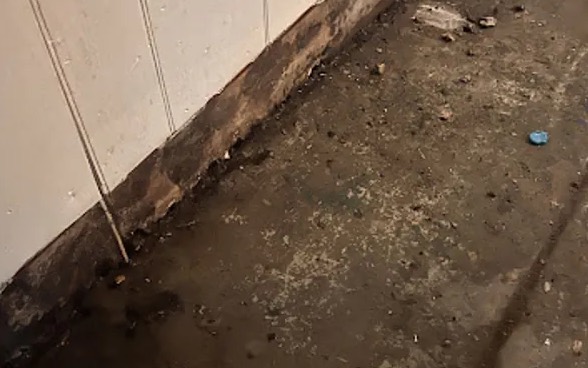
Professional Sewer Backup Water Removal in Flower Mound, TX
A sewer line backup cleanup in Flower Mound can quickly compromise your property's integrity and indoor air quality. Black water contains dangerous contaminants from sanitary sewer lines that demand specialized remediation. Local sewer water extraction experts prioritize safety and rapid containment to limit the damage spread. They assess the extent of the sewage damage restoration needed in each affected room.
Restoration pros use professional-grade extractors for emergency sewer water extraction, removing all standing contaminated water. They then implement sewer backup drying services with air movers and dehumidifiers. The entire sewage backup cleanup process is documented to support your communication with your insurance provider.
Emergency sewer cleanup services are vital throughout Flower Mound and the wider Denton County area. Contaminated water from a sewer line backup cleanup introduces bacteria and viruses that threaten occupant health. Local biohazard cleanup pros handle the dangerous extraction and disinfection work safely. Their process includes sewer backup drying services to remove all residual moisture from building materials. This comprehensive approach helps restore your property to a safe, dry condition.
Sewer Backup Water Removal and Related Services in Flower Mound
Wet Drywall Removal Sewer
Removing wet drywall after a sewer backup eliminates a material that harbors bacteria and moisture. Professionals handle the demolition and bagging for disposal, ensuring the affected area in your Flower Mound home is ready for reconstruction.
Sewage Backup Cleanup
Sewage backup cleanup involves removing contaminants and sanitizing affected surfaces. After extraction, local restoration pros in Flower Mound clean all impacted materials using EPA-registered disinfectants to address the health risks posed by black water.
Sewer Line Backup Cleanup
Sewer line backup cleanup targets overflows caused by blockages or failures in the main sewer line. Local water removal pros in Flower Mound address the widespread contamination that can result from this specific type of plumbing failure.
Sewer Backup Drying Services
These drying services target hidden moisture left behind post-extraction. Experts set up a strategic array of drying equipment to efficiently pull water vapor from building materials, a key step for properties in Flower Mound recovering from a backup.
Emergency Sewer Water Extraction
Immediate sewer water extraction is the first critical step after a backup. Local water removal pros in Flower Mound use powerful pumps and truck-mounted units to quickly remove the contaminated water from your property, preventing further spread and damage.
Black Water Damage Restoration
Local sewer backup water removal pros follow IICRC-standard methods for this comprehensive restoration of severe Category 3 water damage. Their focus is on safety and thoroughness for properties in Flower Mound impacted by sewage.
Contaminated Water Removal
Professional contaminated water removal addresses the unique challenges of black water. The process involves extracting the fluid waste and implementing controls to prevent its spread during the cleanup effort, a critical service for Flower Mound residents.
Warning Signs You Need Sewer Backup Water Removal
Recent Heavy Rainfall Flooding
Stormwater can overload municipal systems, causing backups into homes and requiring emergency sewer water extraction services.
Multiple Drains Backing Up
When sinks, showers, and toilets all drain slowly or overflow, a main line clog is likely causing sewer water extraction needs.
Health Symptoms After Flooding
Respiratory issues or nausea after a flood can indicate exposure to sewage, underscoring the need for biohazard remediation.
Sewage on Carpet or Flooring
Absorbent materials exposed to black water require specialized sewage backup cleanup and removal to eliminate biohazards.
Gurgling Drains and Toilets
Air bubbles and gurgling sounds from plumbing fixtures often precede a full sewer backup, demanding emergency sewer cleanup.
Slow Flushing or Overflow
Toilets that won't flush properly or overflow are a clear warning sign of a developing sewer line backup cleanup situation.
How Sewer Backup Water Removal Works in Flower Mound
Step 1: Black Water Removal and Pump-Out
The process starts with the urgent removal of hazardous black water using powerful extraction equipment to eliminate the immediate health threat.
Step 2: Demolition of Contaminated Materials
Sewage-damaged building materials are safely removed and bagged for proper disposal as part of the contaminated water cleanup protocol.
Step 3: Comprehensive Drying Process
A targeted drying regimen using air movers and dehumidifiers addresses residual moisture, a key component of sewer backup drying services.
Step 4: Antimicrobial Treatment Application
Professionals apply EPA-registered antimicrobial agents to all affected areas, completing the biohazard sewage remediation and restoration.
Sources of Sewer Backup Water Damage
Main Sewer Line Blockages
Tree roots, grease, or flushed objects obstructing the main line force sewage back into your home, requiring sewer backup restoration.
Improperly Installed Plumbing
Incorrect pipe slopes or connections can lead to chronic backups and the need for professional sewer backup cleanup.
Foundation Shifts or Settling
Ground movement can crack sewer pipes underneath a home, leading to leaks and contaminated water cleanup needs.
Aging or Collapsed Pipes
Deteriorating sewer lines can break or collapse, allowing raw sewage to escape and creating a black water removal emergency.
Severe Clogs in Lateral Lines
Blockages in the pipe connecting your home to the main sewer are a common cause for sewer line backup cleanup.
Sewer Backup Water Removal for Homes and Businesses in Flower Mound
Residential Sewer Backup Water Removal
In houses, the scope of sewer backup restoration often includes damaged lower-level living quarters and mechanical systems. Local water damage pros prioritize safety, performing biohazard remediation before any rebuilding can begin, and providing clear documentation for your insurer.
Commercial Sewer Backup Water Removal
Office buildings and multi-tenant spaces need coordinated sewer backup cleanup to avoid cross-contamination. Restoration pros set up containment barriers, perform air scrubbing, and manage the sewage damage restoration process with minimal disruption to neighboring tenants or business operations.
Why DIY Sewer Backup Water Removal is Not Advisable
Before help arrives, you can move uncontaminated items from nearby dry areas to prevent further loss. Do not attempt sewer water extraction or use a shop vac on black water, as this aerosolizes dangerous pathogens. The proper equipment and protocols for biohazard remediation require trained water extraction experts.
Cost Considerations for Sewer Backup Water Removal in Flower Mound
The final price for sewage backup cleanup in Flower Mound reflects the labor-intensive water extraction, specialized antimicrobial treatments, and the replacement of unsalvageable drywall or flooring.
Affected Area Size
The total square footage flooded dictates the scale of extraction and drying equipment needed, directly impacting the labor and resource investment.
Required Sanitization
Thorough biohazard remediation and antimicrobial application are critical after sewer backups, constituting a necessary and defined portion of the service cost.
Material Removal
Wet drywall removal, damaged flooring disposal, and other demolition work add to the project scope and associated waste handling fees.
Structural Drying Time
The duration needed for professional drying to prevent mold depends on materials and humidity, affecting equipment rental and monitoring expenses.
Does Insurance Cover Sewer Backup Water Removal?
Whether insurance covers sewer backup water removal depends entirely on your specific policy and the cause of the backup. Local sewer backup water removal pros document the damage with photos and moisture readings for your claim. Coverage decisions belong to your insurer, so you should confirm details with them directly.
Why Choose Local Sewer Backup Water Removal Pros for Sewer Backup Water Removal in Flower Mound
Black Water Expertise
Specialized knowledge in handling Category 3 contaminated water is essential for safe, proper biohazard remediation and sanitization.
Post-Remediation Verification
The process includes verification steps to ensure drying goals are met and the space is returned to a safe, clean condition.
Antimicrobial Application
After extraction, affected surfaces are treated with EPA-registered antimicrobial agents to disinfect and inhibit microbial growth.
IICRC-Standard Methods
Adherence to industry-standard protocols for sewage damage restoration ensures a systematic, effective approach to cleaning and drying contaminated areas.
24/7 Emergency Response
Immediate action is critical for sewer backups to limit damage and health risks, requiring availability at any hour for water extraction.
24/7 Emergency Sewer Backup Water Removal in Flower Mound
Don't let a sewer backup compromise your home's safety. Initiate emergency sewage backup cleanup and biohazard remediation by calling (945) 302-1941 for a prompt response from water damage pros.
Call Now (945) 302-1941Local Sewer Backup Water Removal Coverage: Flower Mound and Beyond
Sewer water extraction and biohazard remediation are specialized responses to one of the most severe types of water damage, serving residents in Flower Mound and areas such as Highland Village, Lewisville and Trophy Club.
- Sewer Backup Water Removal in Highland Village
- Sewer Backup Water Removal in Lewisville
- Sewer Backup Water Removal in Trophy Club
- Sewer Backup Water Removal in Coppell
- Sewer Backup Water Removal in Grapevine
- Sewer Backup Water Removal in Argyle
- Sewer Backup Water Removal in Corinth
- Sewer Backup Water Removal in Hickory Creek
- Emergency Damage Restoration in 75022
- Storm Damage Restoration in 75022
- Water Damage Restoration in 75022
- Water Extraction Service in 75022
- Water Leak Detection in 75022
- Water Removal Service in 75022
- Emergency Damage Restoration in 75027
- Storm Damage Restoration in 75027
Sewer Backup Water Removal in Flower Mound: Your Questions Answered
What is sewer backup water removal?
Sewer backup water removal is the emergency extraction and remediation of Category 3 black water that has entered a home from a sewer or drain line failure.
Why is wet drywall removal necessary after a sewer backup?
Wet drywall removal is necessary because porous drywall acts as a sponge for sewage, trapping contaminants and moisture that cannot be adequately cleaned or dried.
What does black water damage restoration involve?
Black water damage restoration involves extracting the contaminated water, removing unsalvageable porous materials, disinfecting surfaces, and thoroughly drying the structure to IICRC standards.
How long does sewer backup drying services take?
Sewer backup drying services duration depends on the extent of saturation and materials involved, typically taking several days with industrial dehumidifiers and air movers.
Is sanitization after sewer backup always required?
Sanitization after sewer backup is always required to kill pathogens and prevent microbial growth, using EPA-registered disinfectants on all affected hard surfaces.
Why choose a specialized water extraction service for a sewer backup?
A specialized water extraction service for a sewer backup has the training, equipment, and protocols to safely handle the biohazards present in Category 3 water.
What is biohazard sewage remediation?
Biohazard sewage remediation is the specialized cleanup and disinfection of areas contaminated with sewage, which is considered a Category 3 biohazardous material.